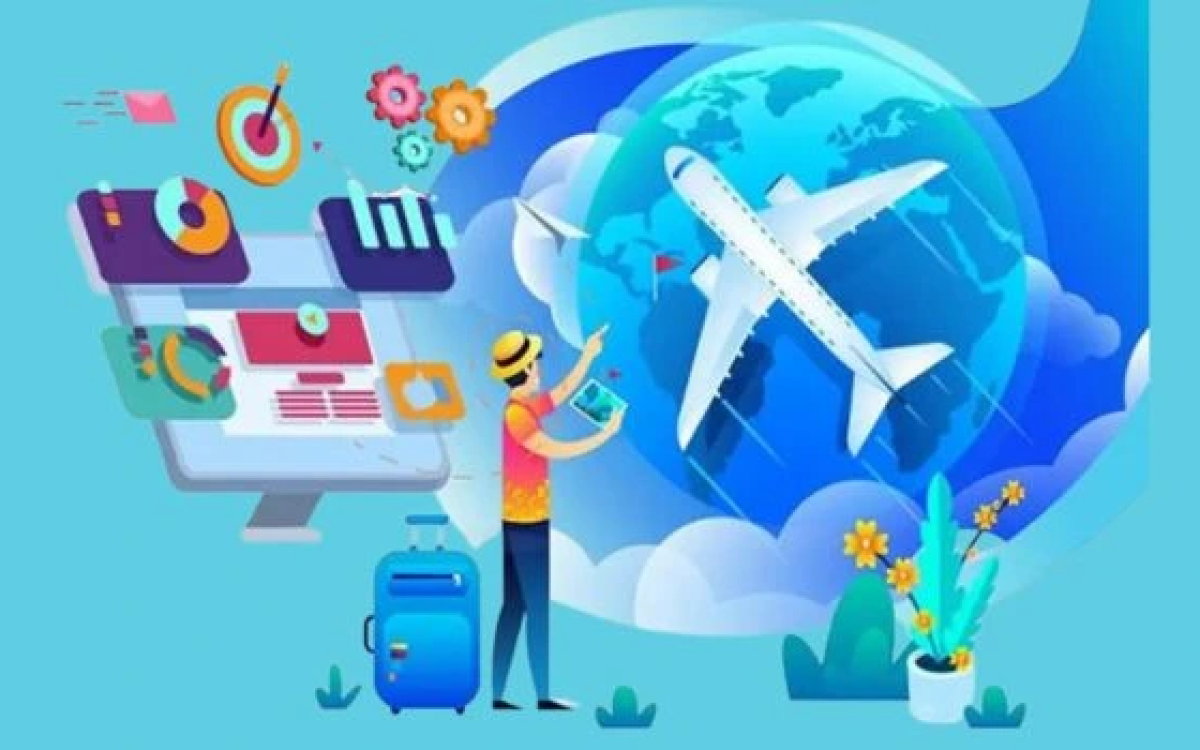
In today’s hyper-connected world, digital marketing and travel go hand in hand. Whether you’re a globetrotting influencer or a local tour operator, having a strong digital presence is a must. As travellers become increasingly reliant on digital tools to plan and share their journeys, tourism businesses must embrace digital marketing not just as an option but as a necessity.
For a traveller, the journey to their favorite destination begins virtually. This is where they draw their inspiration—from selecting their favorite restaurant to planning a dream holiday. Travellers browse Instagram for stunning destination photos, watch YouTube travel vlogs, or read blog posts highlighting must-see attractions. As a digital marketer, one of the fundamental goals is to convert these high digital footfalls into favorable leads for the business. Hence, a nuanced understanding of digital marketing and its tools provides a competitive edge in the market and enables long-term business success. Below, we discuss some important facets of digital marketing that are highly sought after in this era of digitalization.
Importance of SEO
Since we have established how indispensable the internet is for tourists, it becomes even more logical to understand the importance of being visible online. Search engines are still a primary tool for travellers when researching destinations, hotels, or activities. Businesses that invest in Search Engine Optimization (SEO) significantly increase their chances of being discovered during the planning phase.
The fundamental goal for digital marketers and businesses is to stay visible to customers during this initial phase of search and comparison. Higher visibility means more “clicks” or impressions from potential customers. More clicks translate to more inquiries, and as businesses engage with these interested individuals, it opens the door to conversations—allowing them to build trust, answer questions, and tailor offerings. Ultimately, this process leads to bookings and revenue, making digital visibility a crucial driver of success in the tourism industry.
There are various ways hotels and businesses use SEO strategies to stay ahead of the curve. Some of the most effective tools include Keyword Optimization, Content Relevance, and Local SEO.
Leveraging Credibility through Online Reviews
In this digital era, customers and travellers alike have become more aware, thanks to the vast amount of information available at their fingertips. The way customers choose a product or service has undergone a marked change. They have become increasingly selective in their quest to find the best possible deals and experiences.
To find this perfect match, customers heavily rely on ratings and reviews online. This has made the tourism industry more competitive, as service providers are now expected to deliver excellent experiences consistently in order to maintain positive reviews. These reviews can then be used as leverage to attract more customers.
Hence, platforms like TripAdvisor, MakeMyTrip, Google Reviews, and social media have assumed a pivotal role for both businesses and customers.

Importance of Targeted Campaigns
Gone are the days when print media held an unchallenged position in advertising. With the advent of internet penetration and digitalization, businesses have shifted gears and significantly expanded their presence on social media.
One of the key advantages of digital platforms is the ability to fine-tune and customize the target audience for a particular service. Platforms like Facebook, Instagram, and Google Ads allow tourism businesses to target potential travelers based on behavior, interests, and demographics.
Whether it’s retargeting someone who visited your booking page or promoting a seasonal deal to people interested in adventure travel, digital advertising delivers precise and measurable results.
Final Thoughts
Digital marketing is no longer optional for the tourism industry—it is a necessity. In a competitive and fast-paced travel market, a strong digital presence can make or break a destination or business. From attracting new customers to retaining loyal ones, digital tools empower tourism stakeholders to remain relevant, competitive, and profitable in the modern age.